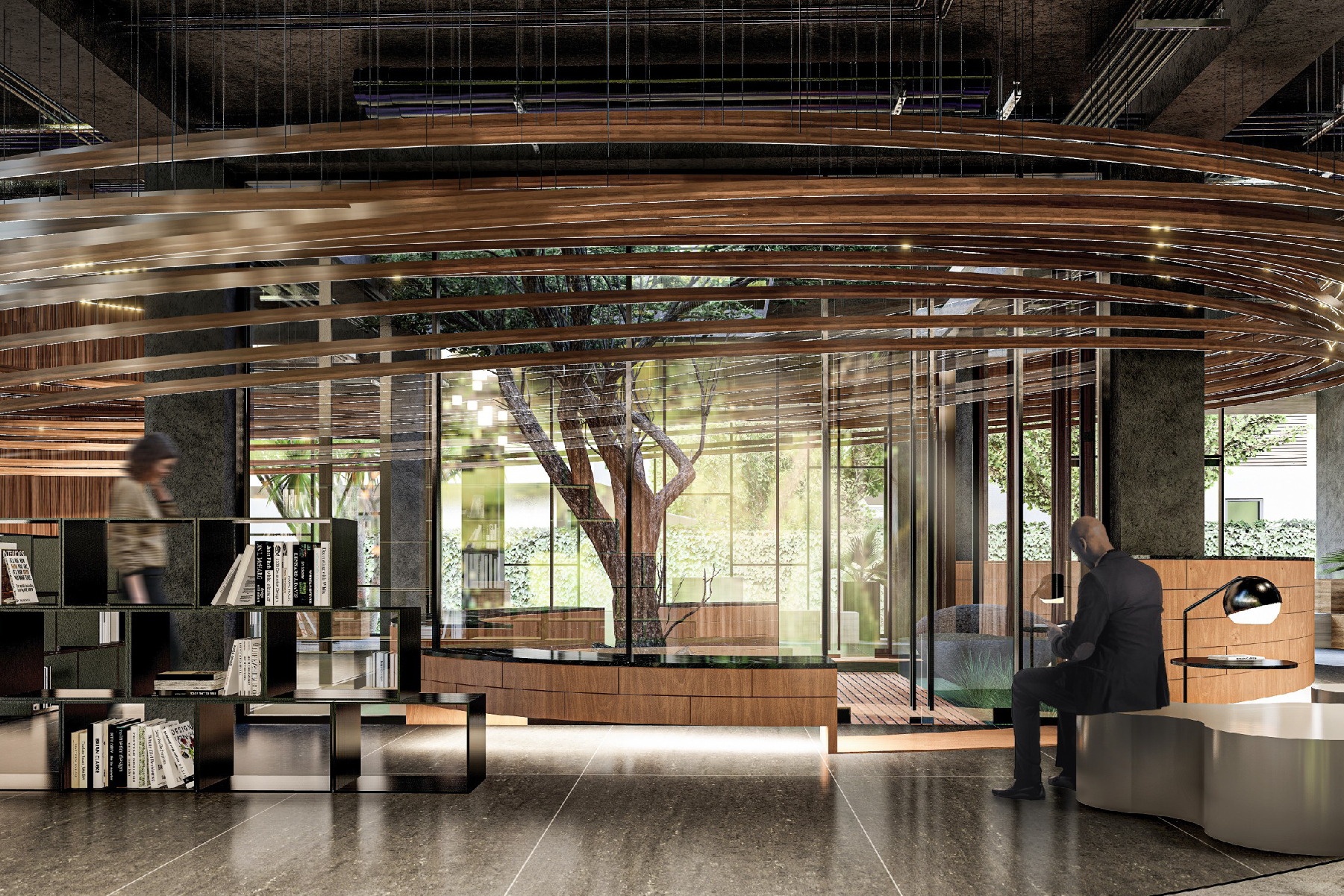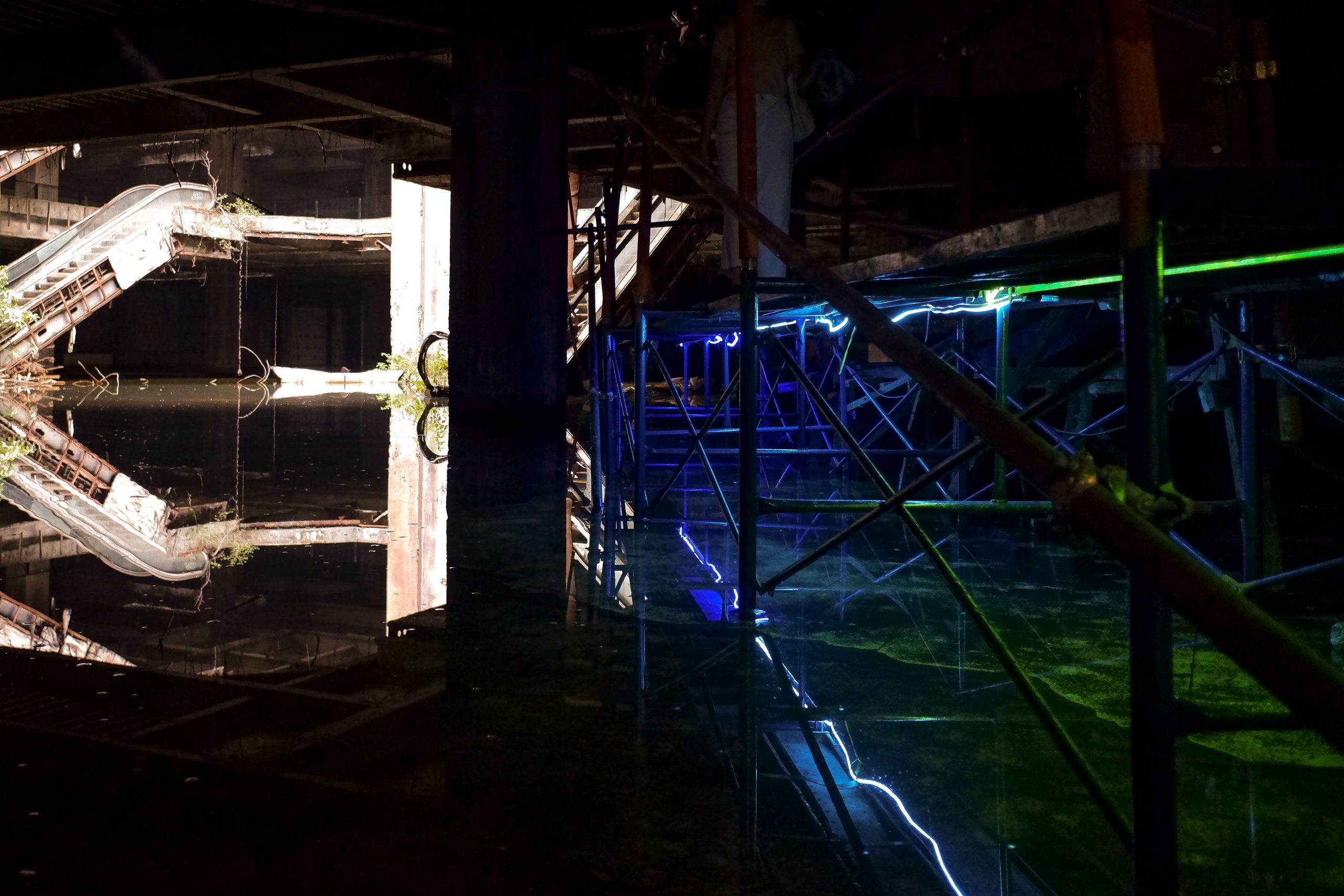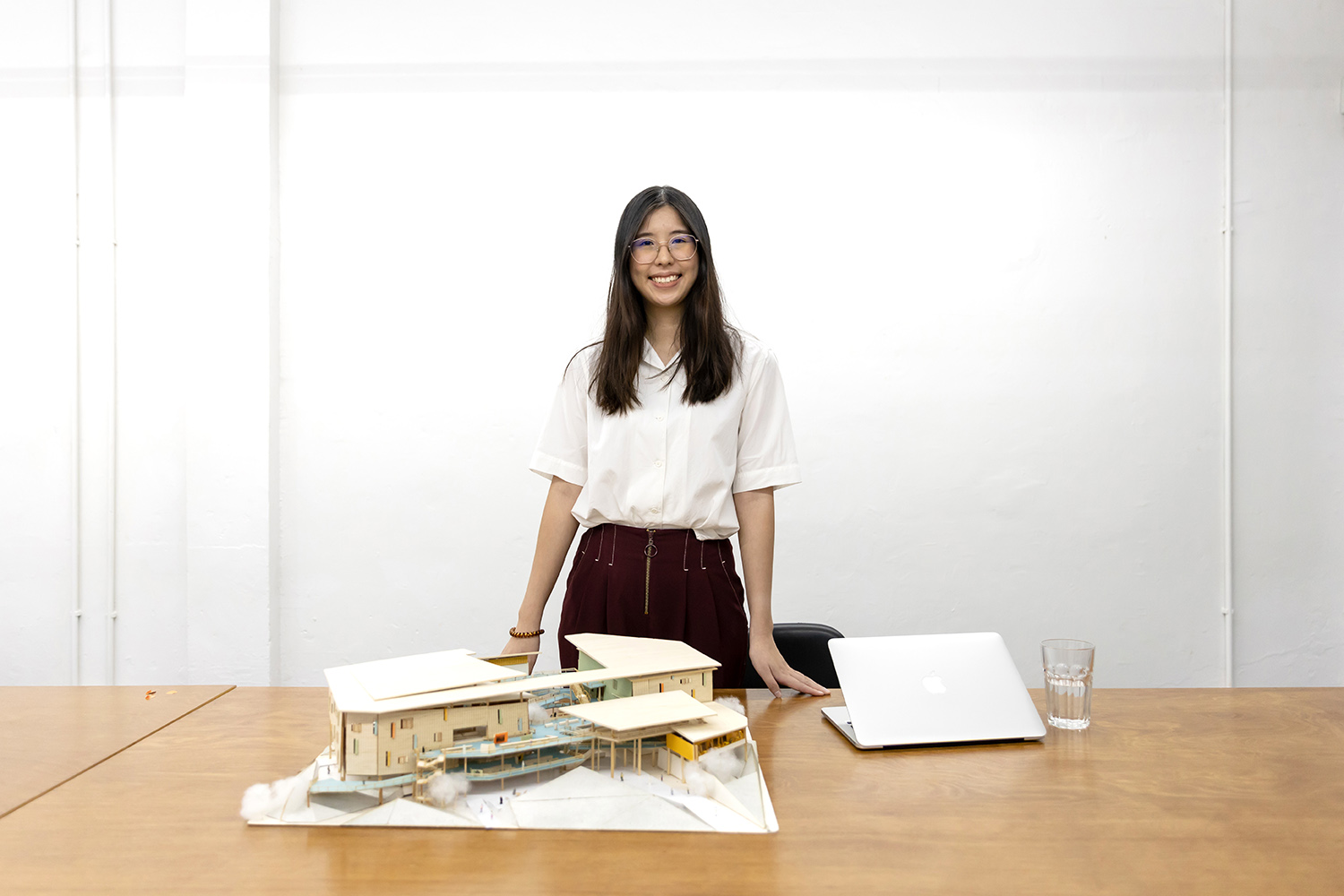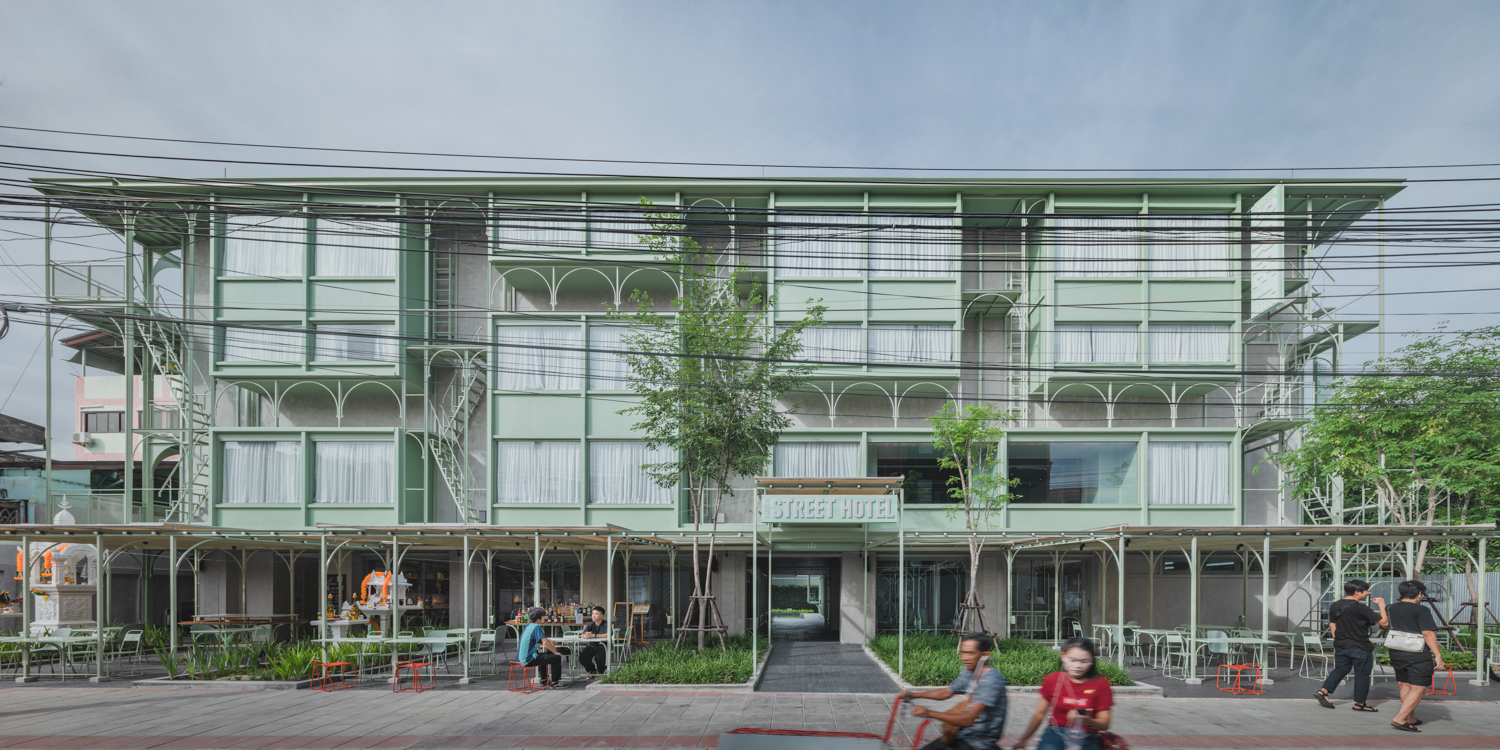
Location: Bangkok, Thailand Building Type:Multi-Purpose Building Owner: Thammasat University Architect: Arsom Silp Institute Of The Arts Interior Designer:Dimensional Interpretation Landscape Designer:LANDPROCESS Structural Engineer:Degree System Co., Ltd System Engineer:TPM Consultants Co., Ltd Contractor:CM49 Building Area:60,000 sq.m
TEXT: JAKSIN NOYRAIPHOOM PHOTO: KETSIREE WONGWAN EXCEPT AS NOTED
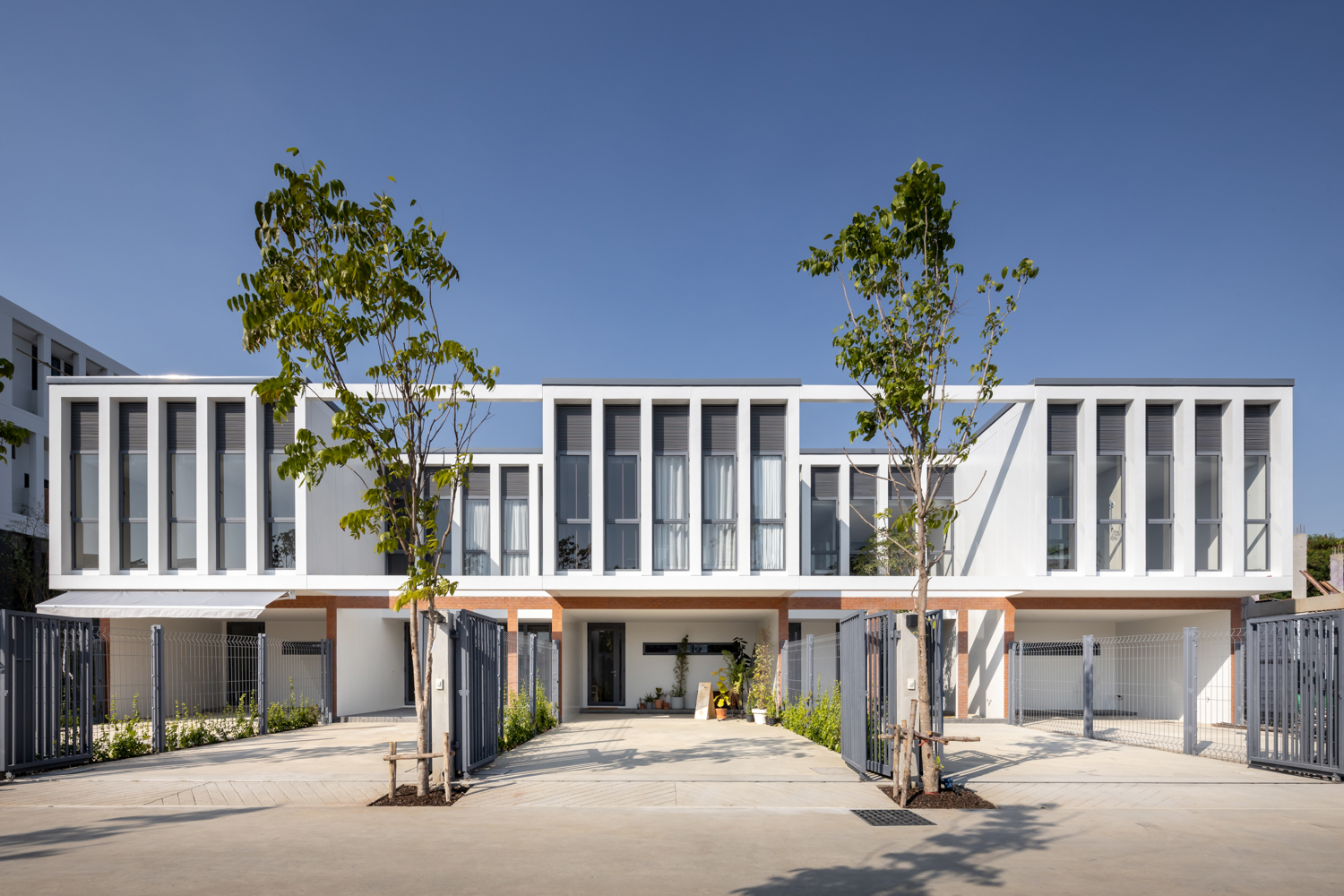
WITH ITS ELONGATED BALCONY, VARIVANA RESORT BY POAR INVITES US TO COME INTO CONTACT WITH NATURAL WIND, LIGHT, AND THE SURROUNDING ENVIRONMENT LIKE NEVER BEFORE
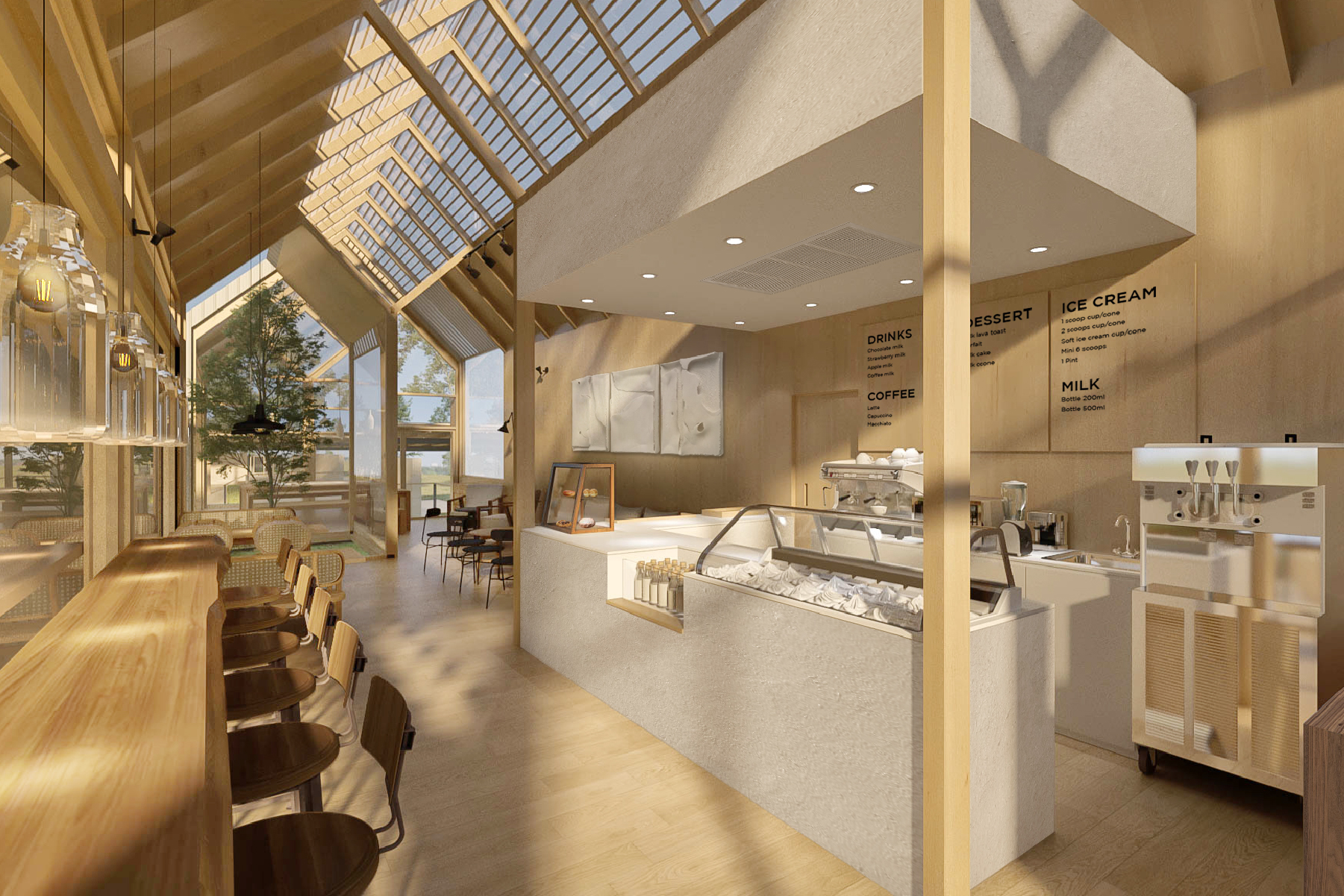
THROUGH THE COLLABORATION WITH LOCAL ARTISAN, SARAPHI CERAMICS ARTS AND DESIGNS, SHER MAKER INTRODUCES US TO THE PEARL CERAMIC USED IN PTT GAS STATION IN CHIANG MAI THAT CREATES BOTH DELICATE REFLECTIONS WHEN TOUCHED BY NATURAL LIGHT AS WELL AS EMBRACING THE LOCAL IDENTITY
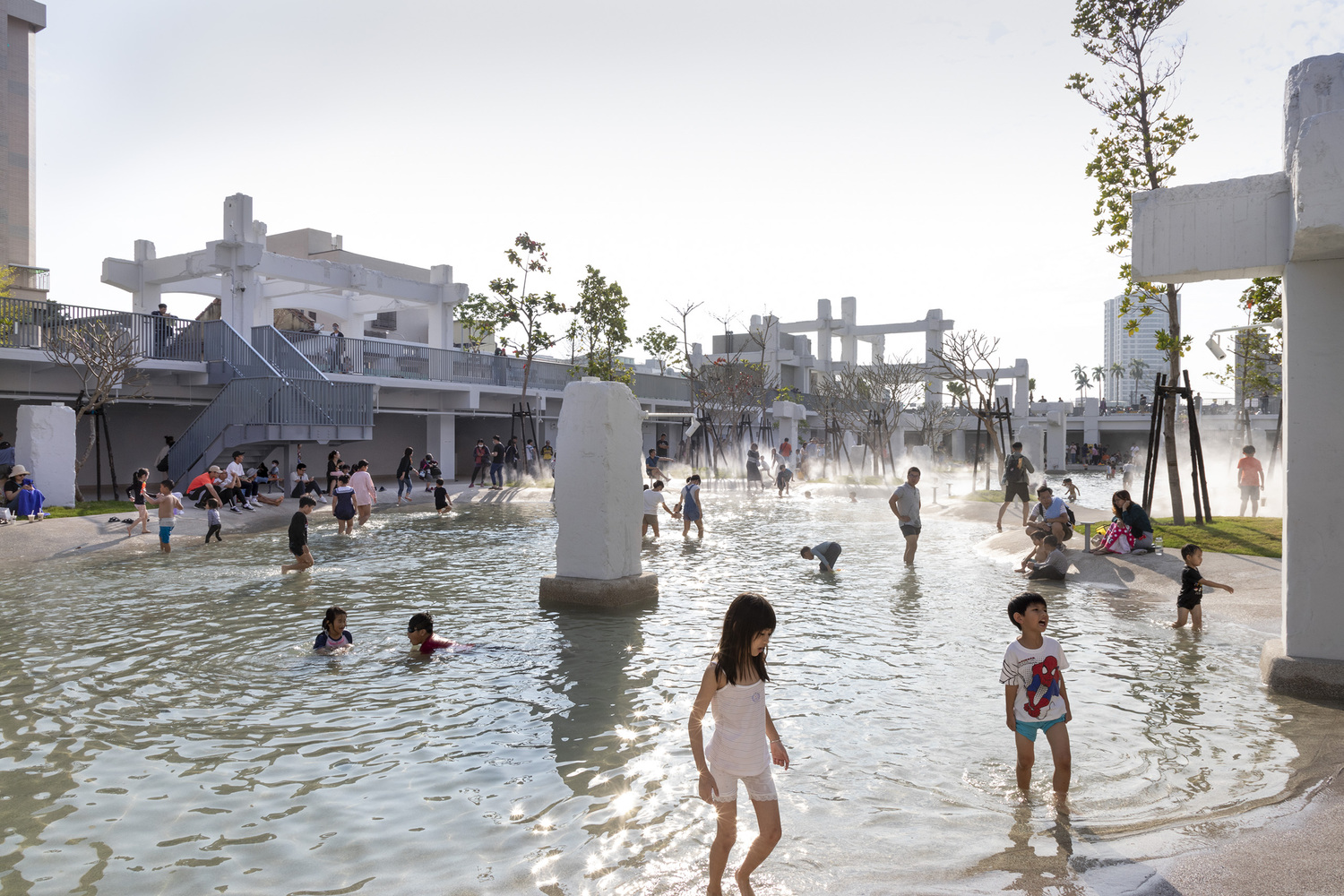
FROM PAVILLON LE CORBUSIER TO THE EUROPAALLEE BAUFELD IN ZURICH-WEST, LET’S EXPLORE THE CITY OF ZURICH AND EXPERIENCE ITS BUILT ENVIRONMENT WITH US IN THIS BRIEF ARCHITECTURE TOUR ORGANIZED BY ZÜRICH TOURISM
ART4D SPEAKS TO WICHA WORASAYUN, GENERAL MANAGER OF TOSTEM, LIXIL (THAILAND) PUBLIC COMPANY LIMITED., ABOUT THE DESIGN CONCEPT BEHIND TOSTEM’S BOOTH IN ACT FORUM’19 AS WELL AS THEIR PHILOSOPHY THAT LIES BEHIND EVERY TOSTEM PRODUCT
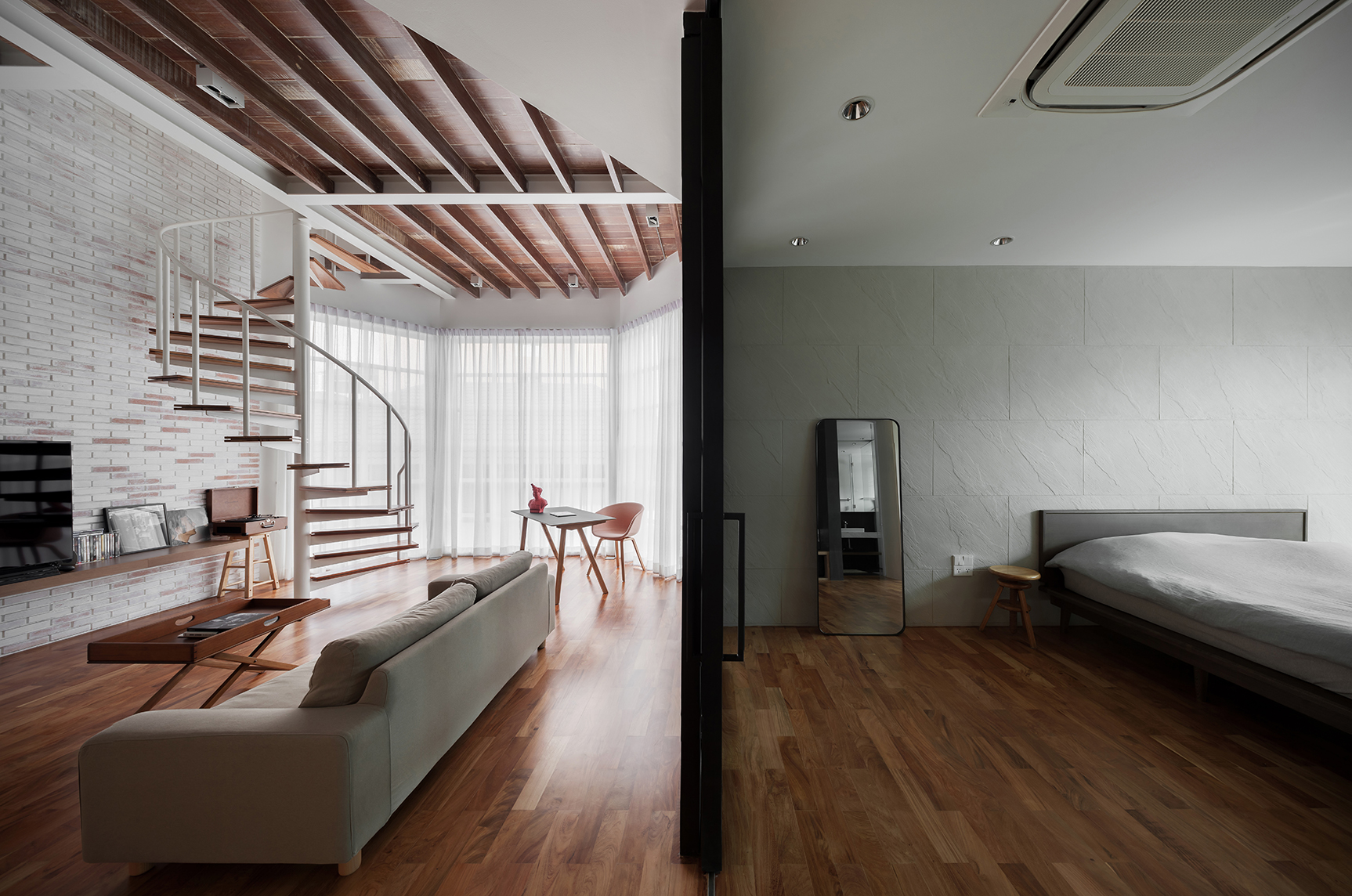
THE RECENT CO-LEARNING SPACE DESIGNED BY ONION NOT ONLY PROVIDES US WITH A COMFORTABLE, SAFE AND FUNCTIONAL PLACE TO WORK IN BUT ALSO ACTS AS A SPACE WHERE WE CAN LIVE AND LEARN ABOUT NEW IDEAS WITH OTHER USERS Read More
THE CHANGE OF TOOLS IN ARCHITECTURAL CREATIONS FROM THE FUNDAMENTAL ELEMENTS FORMULATED BY ALBERTI, TO THE SOFTWARES THAT ALGORITHMICALLY RUN AT PRESENT
Urban Vernacular Architecture: Subculture of Waste Pickers and Reusable Waste Carriers
Urban vernacular architecture is a phenomenon that is evidence of the relationship between humans and architecture of idiosyncratic characteristics. It is also a reflection of how the existence of urban culture in a society is not comprised of one single culture, but in reality, several other subcultures. The study is interested in exploring the diversity and differences of cultures emerged and evolved within a society, with special emphasis being on the subculture of a marginalized group of people living in the urban area. The targeted subject of the study is a group of waste pickers and reusable waste carriers whose lifestyle, which is closely associated to what they do for a living, do not only depict a unique cultural pattern, but is clearly reflected through the relationship between culture and architecture that portrays the group’s distinct identity.
The genesis of this research is partially inspired and influenced by an anthropological paper written by Assistant Professor Dr. Boonlert Visetpricha, who pioneered the study on the world of homeless people through fieldwork, where he immersed himself in the daily life of the subjects of study to gain first-hand experiences and collect raw data. The strong point of Dr. Visetpricha’s work is the ethnographic approach that can be applied and integrated to the strengths of the study of urban vernacular architecture. With the initial intention of the work being to provide both the qualitative and quantitative analysis, the look into a subculture within a theoretical framework can be executed through the use of three main indicators: identity, commitment, and autonomy.
Architectural Ethnography: An Integrative Collaboration of Vernacular Architecture and Ethnographic Research
Atelier Bow-Wow proposes the concept that aims to study the living environment of homeless people using fieldwork method and architectural tools to document architectural ideas and perceptions, all the way to the environment and people’s way of life. The study eventually leads to the experience of ecological thoughts on life and architecture, and ultimately conceives the concept known as ‘Architectural Ethnography.’
This work is similar for its utilization of fieldwork as a method that allows the researcher to study the way of life of waste pickers and waste carriers who sell collected wastes for a living, and learn about not only the way they live and work, but also their potential economic opportunities of areas that generate large volume of waste as well as their living spaces, which collectively led to the findings of the professional relationship between the subculture and architectural issues. The fieldwork allows the researcher to analyze and categorize the subject into two different groups: the group of waste pickers whose income relies predominantly on landfills and junkyards as the main areas of economic potential, and the waste carriers, which can be subcategorized into the Sa-leng drivers who ride the three-wheeled vehicles into local neighborhoods to buy or collect discarded wastes, and the carriers who would drive their trucks into urban communities to scavenge waste and buy unused household items.
The data collection is done through a fieldwork with the researcher physically spending time and building trust with the homeless people. After straightforwardly informing the people who would be the subject of study about the status and intention (as a student who was looking for information to conduct a research), time becomes one of the key factors needed for a level of trust to be built. The trust leads the subjects to share their stories and information that enable the researcher to have a better understanding about their way of life and how they make a living. The data is attained from interviews, observations of the areas where they keep their occupational tools, conditions of their work and living areas. Additional details are obtained through surveys of landfills and junkyards, observing the types and functionalities of the tools necessary for their job (tools and clothes used for waste picking, three-wheeled carts (Sa-leng), pickup trucks needed for carrying the bought and collected wastes). This particular process is documented in the form of photographs and surveys, which play a significant part in the research, for they allow the researcher to obtain the kind of information that can be used to help process and develop issues related to the architectural aspect of the study.
The conclusion of the relationships between humans and architecture within the conditions of urban spaces is presented with the use of photographs, enabling a tangible development of issues related to the connection between spaces, people and objects existing within this occupational subculture. The psychical conditions are presented in the form of hand-sketched drawings. For the drawings to be created with accurate presentation, one needs to possess a true understanding in what was captured in the photographs. Looking from the ethical aspect of the work, the handsketched drawings are also the most suitable medium for it offers a respect for privacy and respect for confidentiality of the subject of study.
Stories from a Research
The results obtained from the fieldwork study, being able to experience the life these people are living have provided a greater understanding in different aspects of their lives, from pride, determination and realization in the contributions they have made to both themselves and to society, while still expressing the feelings of inferiority, thinking of themselves as the outcasts in society. Through this research, I have come to realize the virtue of an occupation that most people despise, and know about their varying opinions when knowing about their children’s intention to follow their career path as waste pickers and carriers.
From the architectural aspect, the study has created a better understanding in the origins and meanings of things surrounding their lives, which has been significantly influenced by what they do for a living as waste pickers and carriers. The most tangible example is the ideas and methods to recycle the discarded wastes into working tools, as well as the spaces in the landfills and junkyards where they both work and rest in. What is also interesting is how these objects exist as a part of their lives, in their living spaces that is different from others’ in the society. They bring the scavenged objects from landfills, or items given away by people who no longer want them into their homes, objects bought from cheap second-hand shops that they’ve come to know through a network of people in the same occupational group, garbage trucks and stores where wastes can be purchased and sold. These objects are collected and reinvented into their living and working apparatuses; some are used for the construction of their living spaces, or even structural elements of their homes, all the way to decorative items, furniture, and everyday utensils. Even with the far lesser standard, the usability of these objects serves at the level they can accept and be satisfied with.
These things illustrate the relationship between cultures and architecture that is different from the kind and concept of living that most people would consider to even be a standard. It clearly manifests its status at the opposite end of the formality of the norms and ideology of mainstream architecture. In the end, apart from the objective to understand the architectural characteristics of their work and living spaces, this research will enable one to better understand and accept ‘others’ whose lives may be different from the ones we are leading.
This website uses cookies to improve your experience. We'll assume you're ok with this, but you can opt-out if you wish. Cookie settingsACCEPT
Privacy & Cookies Policy
Privacy Overview
This website uses cookies to improve your experience while you navigate through the website. Out of these cookies, the cookies that are categorized as necessary are stored on your browser as they are essential for the working of basic functionalities of the website. We also use third-party cookies that help us analyze and understand how you use this website. These cookies will be stored in your browser only with your consent. You also have the option to opt-out of these cookies. But opting out of some of these cookies may have an effect on your browsing experience.
Necessary cookies are absolutely essential for the website to function properly. This category only includes cookies that ensures basic functionalities and security features of the website. These cookies do not store any personal information.
Any cookies that may not be particularly necessary for the website to function and is used specifically to collect user personal data via analytics, ads, other embedded contents are termed as non-necessary cookies. It is mandatory to procure user consent prior to running these cookies on your website.